Hedge Cutting in KetteringSharp Lines, Tidy Garden
Turn a scruffy, overgrown hedge back into a clean, straight boundary: cut properly, clippings cleared away, and your garden left tidier than we found it.
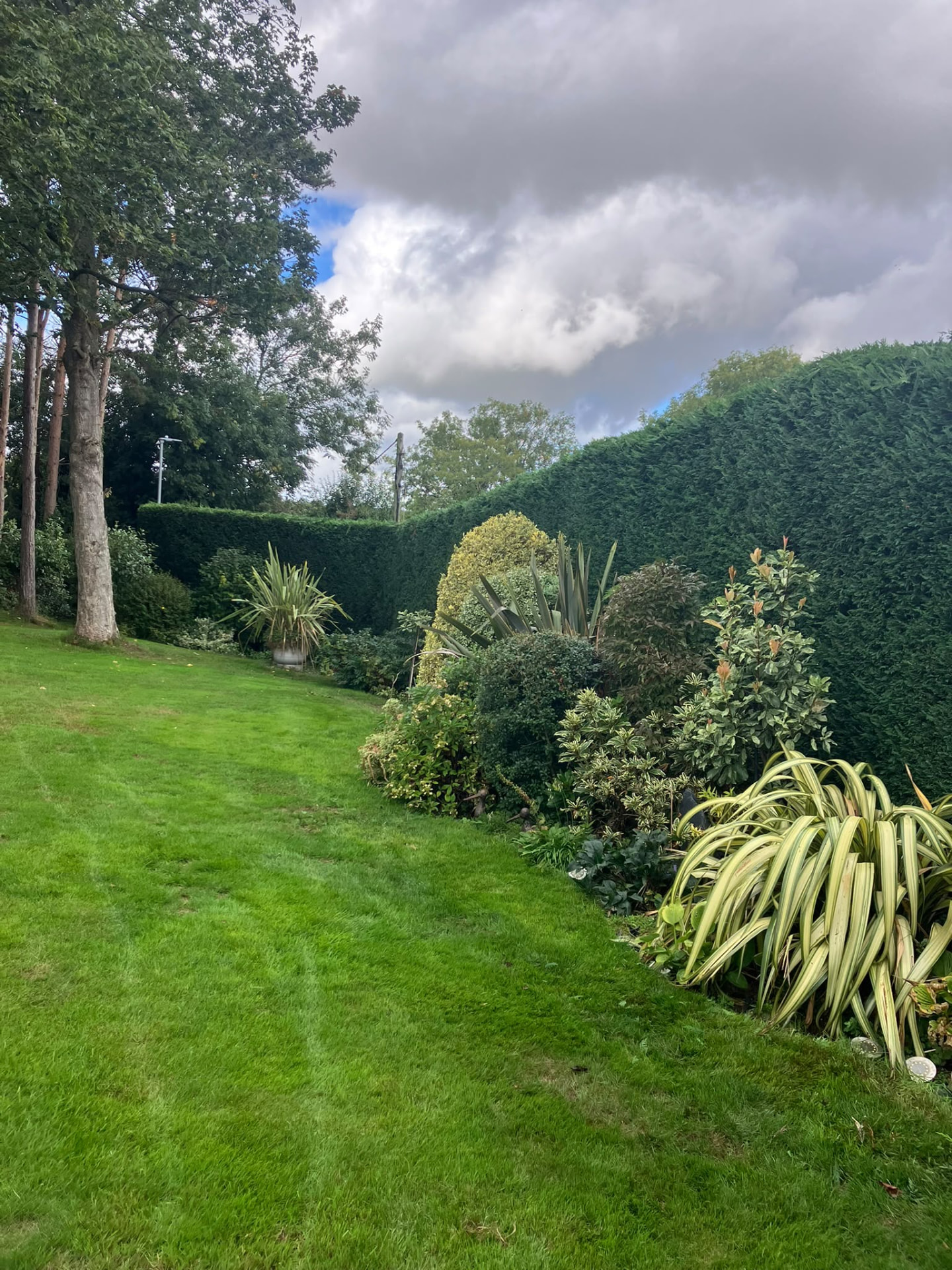
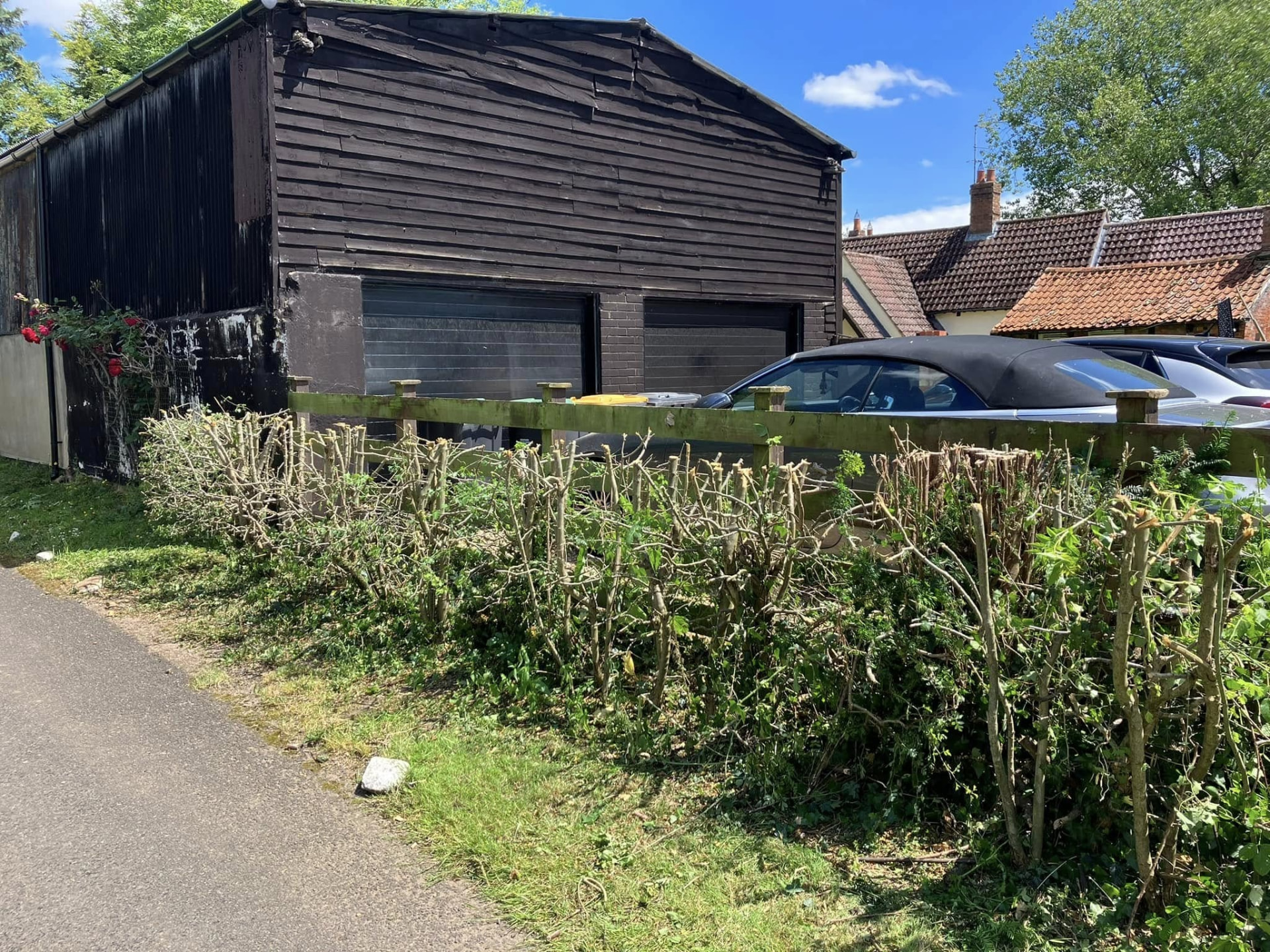
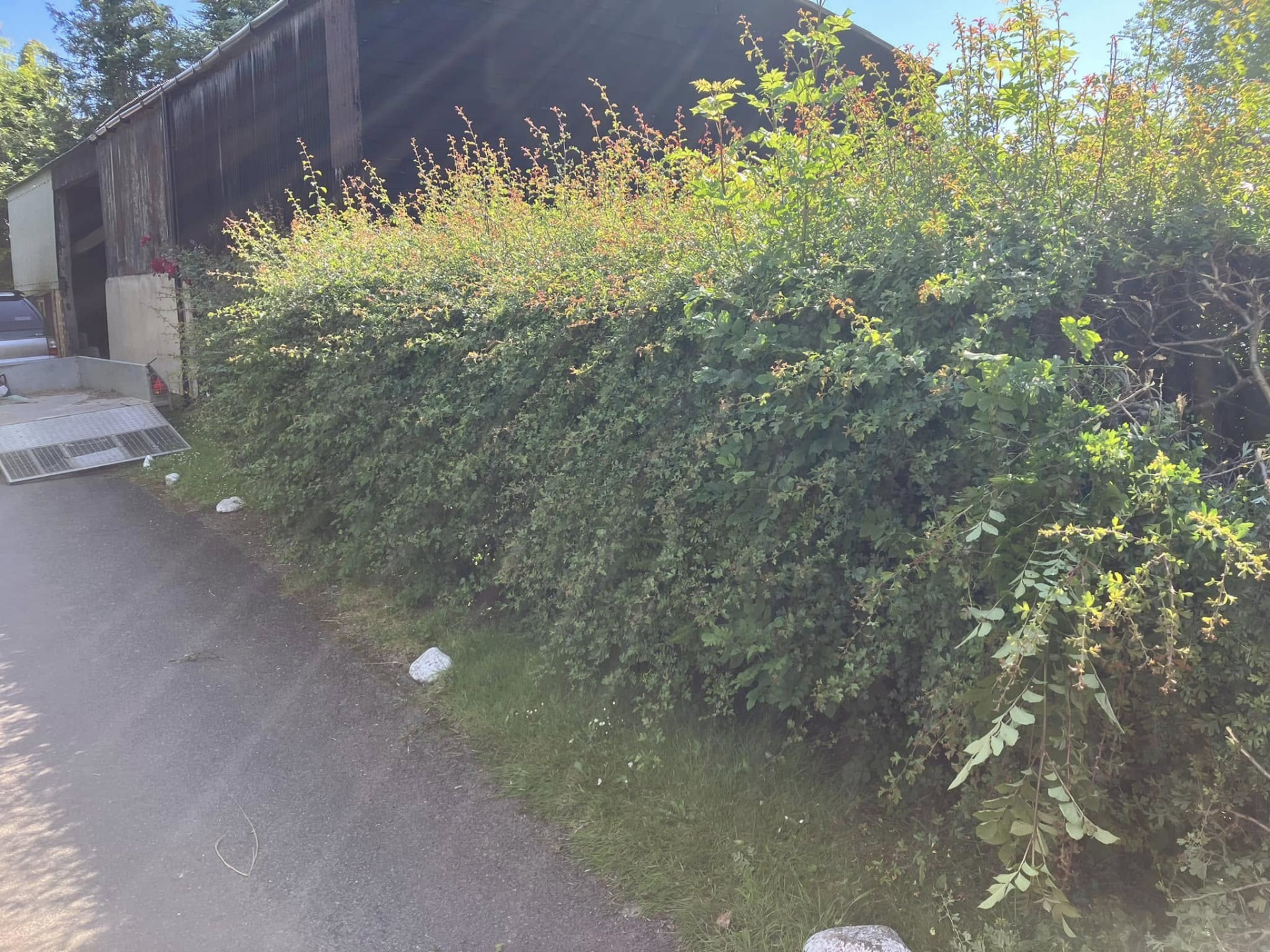
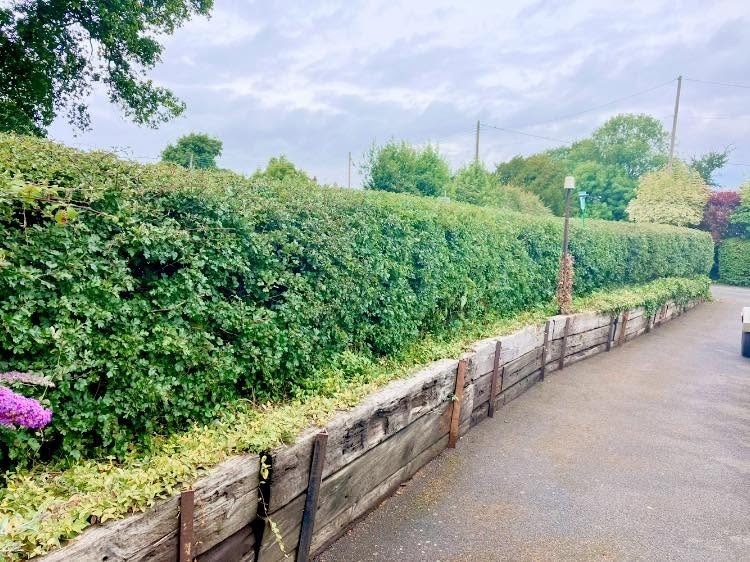
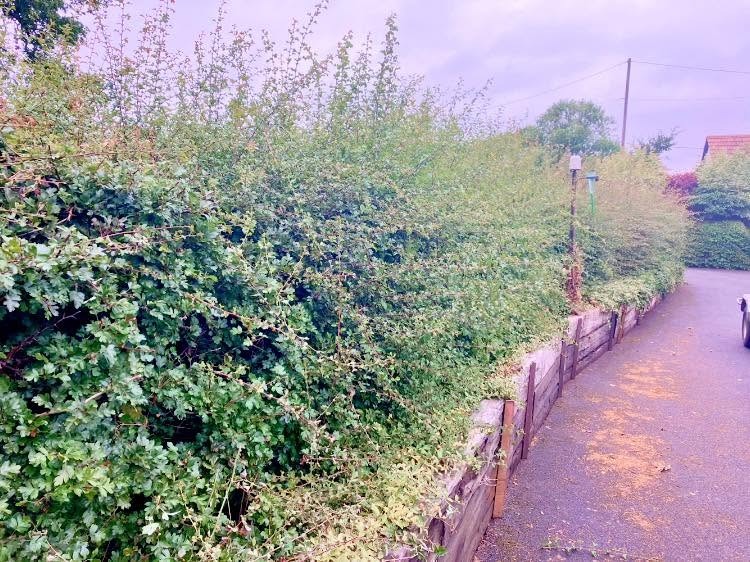
Before & After
Real Hedge Cutting Results
Drag the slider to compare. Real Roberts Roots jobs.
Service Overview
What Hedge Cutting Involves
What is hedge cutting?
Hedge cutting is the regular trimming of a hedge's sides and top to keep it dense, neat and at the height you want. A well-cut hedge is slightly narrower at the top than the base, so light reaches the lower leaves and it stays thick all the way down.
Who it's for
Homeowners with boundary hedges too tall or long to manage themselves, people who'd rather not be up a ladder with a hedge trimmer, landlords keeping rental properties presentable, and commercial clients including schools and pre-schools.
When you need it
Most hedges benefit from at least one cut a year, and many fast-growing hedges need two or more. It's time when your hedge is spilling over paths, blocking light or views, bothering neighbours, or just looks untidy.
Why use a professional
Tall hedges mean ladders, platforms and powered trimmers, a common cause of garden accidents. A professional cut is also straighter and more even, and done at the right time it keeps the hedge healthy and dense for years.
The Cost of Waiting
What Happens If You Leave It
A hedge that isn't cut regularly doesn't just look scruffy; it becomes harder to bring back.
Gets leggy and gappy
Left alone, hedges grow tall and thin out at the bottom, leaving bare patches that are slow to fill in.
Blocks paths and light
Overgrown hedges spill over footpaths and driveways and cast shade across gardens and windows.
Neighbour disputes
A hedge that's grown too tall or wide is one of the most common causes of falling out next door.
Harder to recover
The longer it's left, the more drastic the cut needed, sometimes a full reduction rather than a trim.
Common Mistakes to Avoid
- Working on a wobbly ladder with a powered trimmer
- Cutting the top wider than the base, so the bottom goes bare
- Cutting during nesting season without checking for active nests
- Leaving clippings in the borders to smother plants
Our Process
How the Job Gets Done
- 01
Look at the hedge
Todd checks the species, height, length and access, and asks how you'd like it to look.
- 02
Wildlife check
Hedges are checked for nesting birds before cutting starts.
- 03
Clear quote
One price based on size, access and location, delivered exactly as quoted.
- 04
Cut to shape
Sides and top are cut straight and even, with a slight taper for healthy growth.
- 05
Clear-up
Clippings are collected and cleared, and paths and lawns are left tidy.
The Result
What You Get
Instant kerb appeal
A crisp, straight hedge makes the whole property look cared for.
No ladders for you
Tall and awkward hedges handled safely by a professional.
Thicker growth
Regular, correct cutting keeps your hedge dense from top to bottom.
More light and space
Win back paths, borders and light lost to overgrowth.
Good neighbours
Keep boundary hedges at a height everyone can live with.
Tidy finish
Clippings cleared; nothing left for you to sweep up.
In Detail
Hedge Cutting for Every Type of Hedge
Different hedges grow in different ways, and each needs cutting a little differently.
Working with Roberts Roots
Todd Roberts, Founder, runs every job himself. On larger jobs he brings in a trusted team of close friends, each self-employed with their own public liability insurance. Before any cutting starts, trees are checked for Tree Preservation Orders and conservation areas.
Evergreen and conifer hedges
Leylandii, thuja and other conifers grow fast and need regular trimming. They don't regrow well from old, bare wood, so it's important not to cut back too far into the brown. Regular light cuts keep them green and dense.
Native and mixed hedges
Hawthorn, beech, hornbeam and mixed native hedges are common on boundaries and rural properties. They respond well to regular cutting and can often be shaped more firmly.
Formal and ornamental hedges
Privet, laurel, box and similar hedges often form formal lines in front gardens. These need a precise, straight finish to look their best.
Tall and long boundary hedges
Long runs and tall hedges are where professional help matters most, for safety, for speed and for a consistent line along the whole length.
Domestic and commercial hedges
From a single front hedge to long runs around schools, pre-schools, business premises and rental properties, the same care goes into every cut.
What to Expect
Before, During and After Your Hedge Cutting Job
Before the visit
When you get in touch, a short description of the job and a couple of photos go a long way. Tell Todd roughly where the tree or hedge is, how big it is, and how easy it is to get to, through a side gate, over a wall, or from the front of the property. Mention anything nearby that needs protecting, such as a greenhouse, conservatory, pond, overhead cables or a neighbour's fence. If you already know or suspect the tree is protected, say so, but either way Todd will check for a Tree Preservation Order or conservation area before any work is agreed.
On the day
Todd arrives when he says he will, something customers mention again and again in reviews. The work area is set up first, with anything fragile protected and people and pets kept clear of where cutting is happening. The hedge cutting work is then carried out exactly as described in your quote. If anything unexpected turns up once work begins, such as hidden decay, Todd will talk it through with you before going any further; nothing is added without your say-so.
After the work
Brash, clippings and timber are cleared away and the area is raked and left tidy, so you're not spending your weekend clearing up. If you'd like to keep logs from the job, just ask when you book. Todd will also give you straightforward advice on aftercare and on when the tree or hedge is likely to need attention again, so you can plan ahead rather than waiting for a problem. Want another tree looked at while he's there? Just mention it.
Hedge Cutting Across Three Counties
Based in Warkton, Kettering, covering Northamptonshire, Bedfordshire and Cambridgeshire, including:
Related Services
- Hedge Reduction & Shaping in Kettering & Northants →
Overgrown hedges cut back hard and reshaped into something manageable.
- Crown Lifting in Kettering & Northants →
Lower branches removed to clear paths, driveways, buildings and views.
- Pruning & Crown Thinning in Kettering & Northants →
Selective pruning that lets light and air through without spoiling the shape.
FAQ
Hedge Cutting Questions
Most hedges need one or two cuts a year. Fast growers such as leylandii and privet may need more. Todd can advise on the right routine for yours.
Get It Sorted Properly.Start With a Quote.
One clear price for your job, a TPO check before any cutting, and the work delivered exactly as quoted, by a LANTRA & NPTC qualified, fully insured tree surgeon.
07821 517836