Tree Reduction Specialists in KetteringKeep the Tree, Lose the Problem
Bring back light, cut the risk of falling limbs and keep your tree healthy, without losing it. Careful crown reductions by a qualified tree surgeon, priced on your job alone.
Before & After
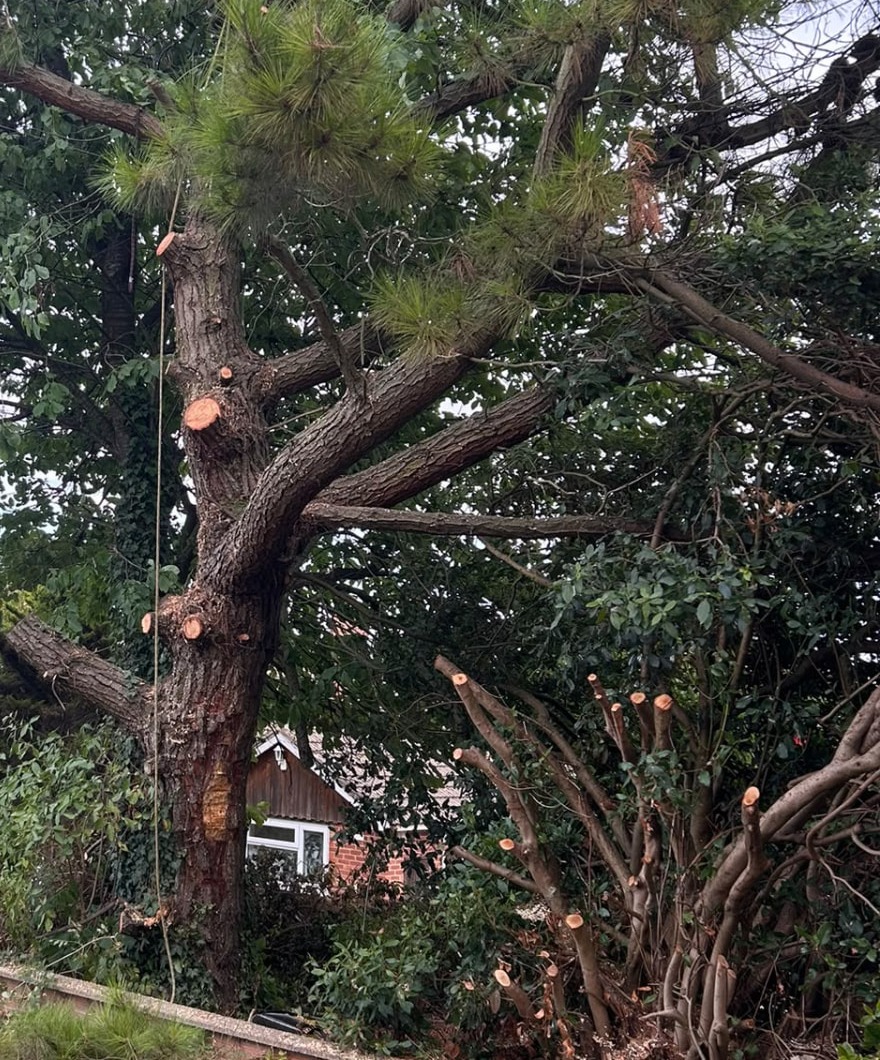
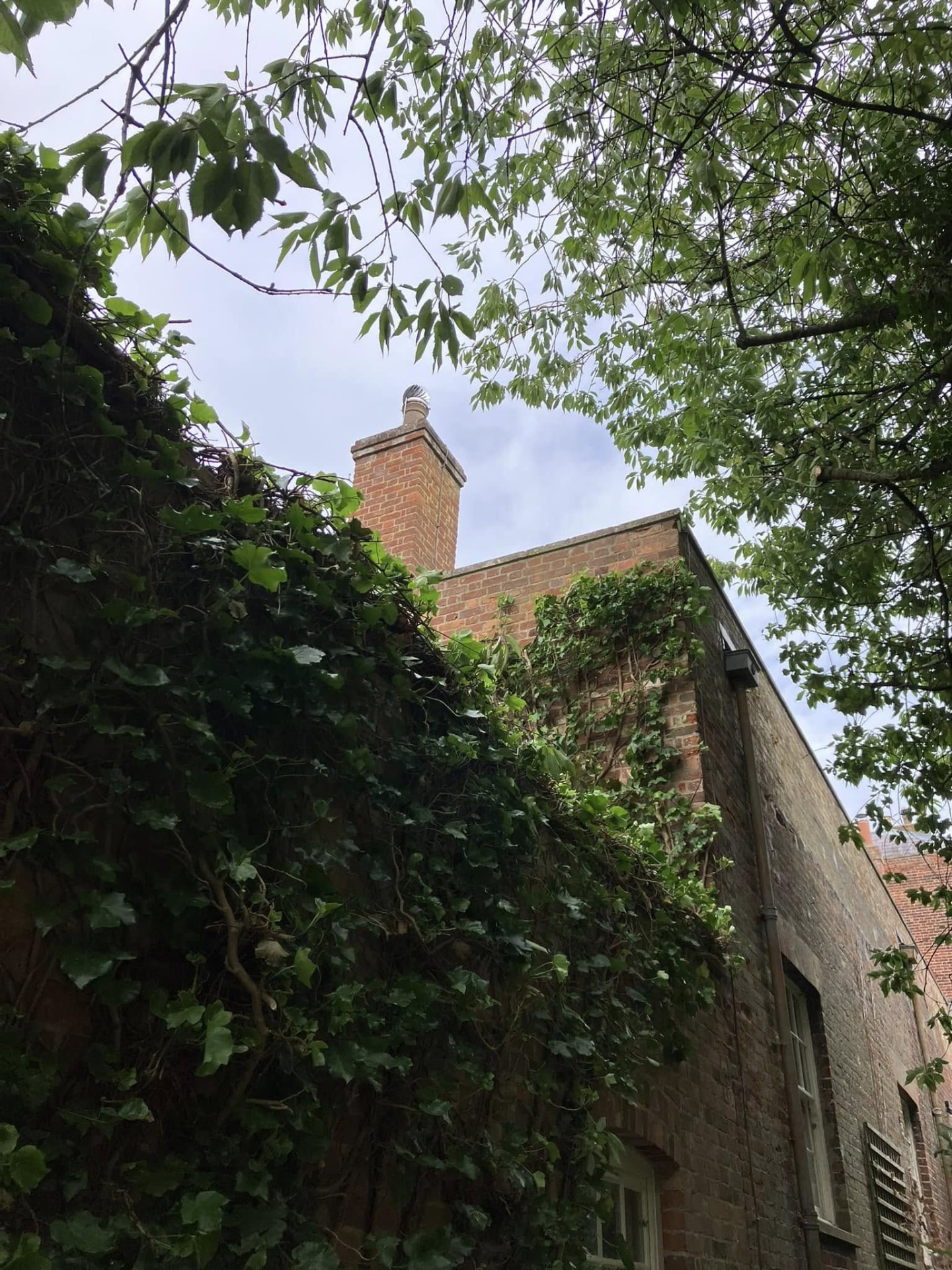
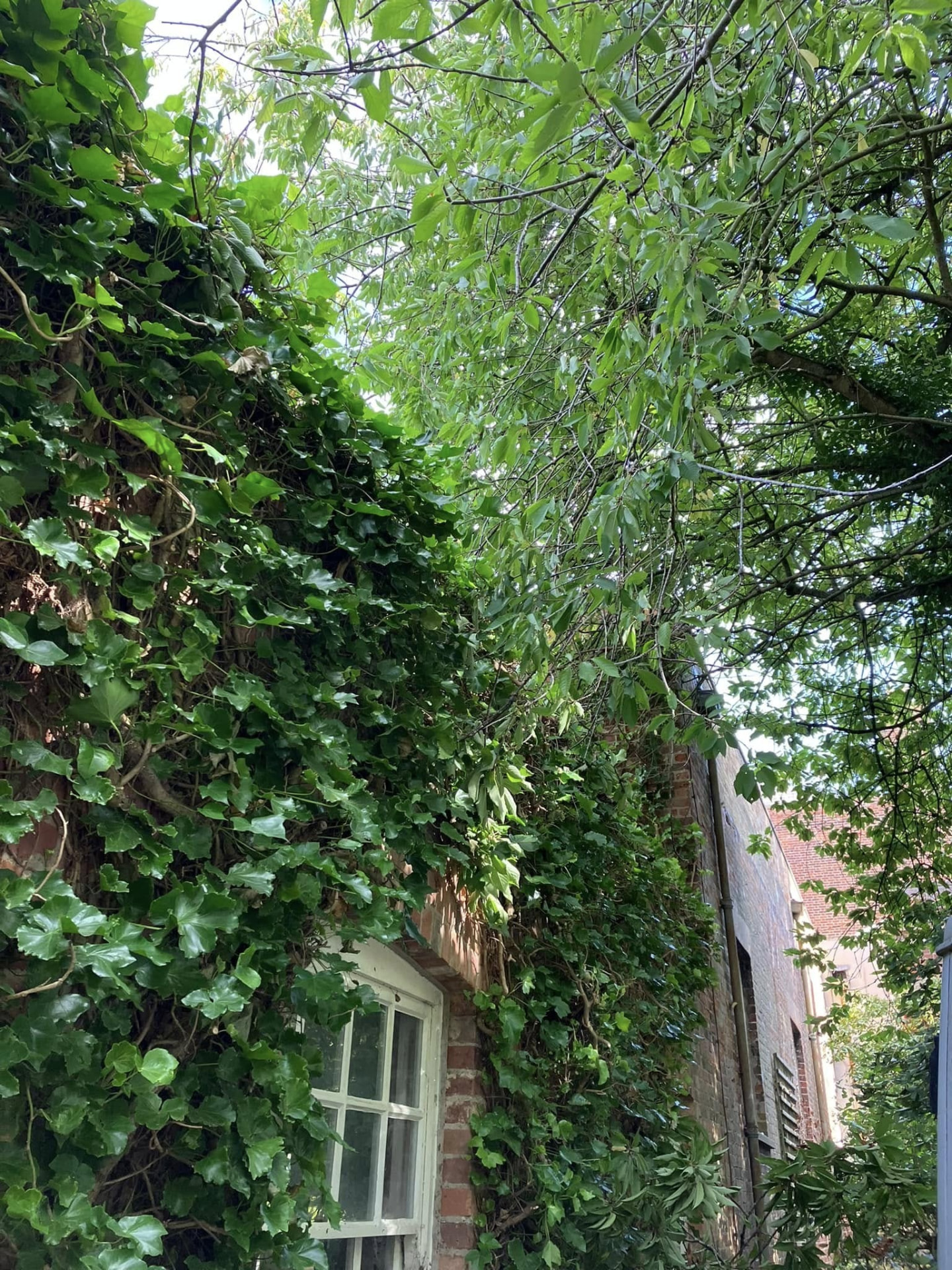
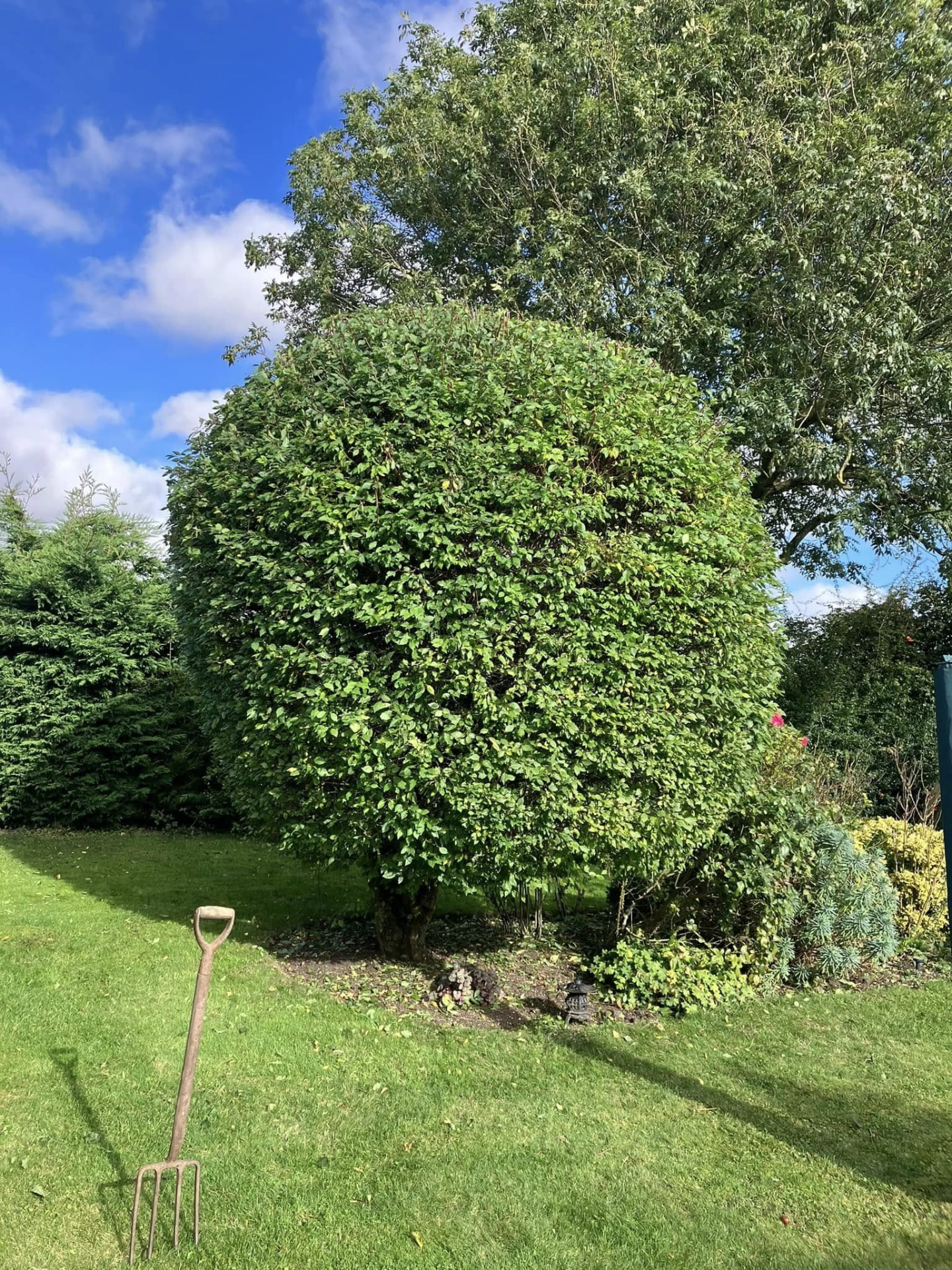
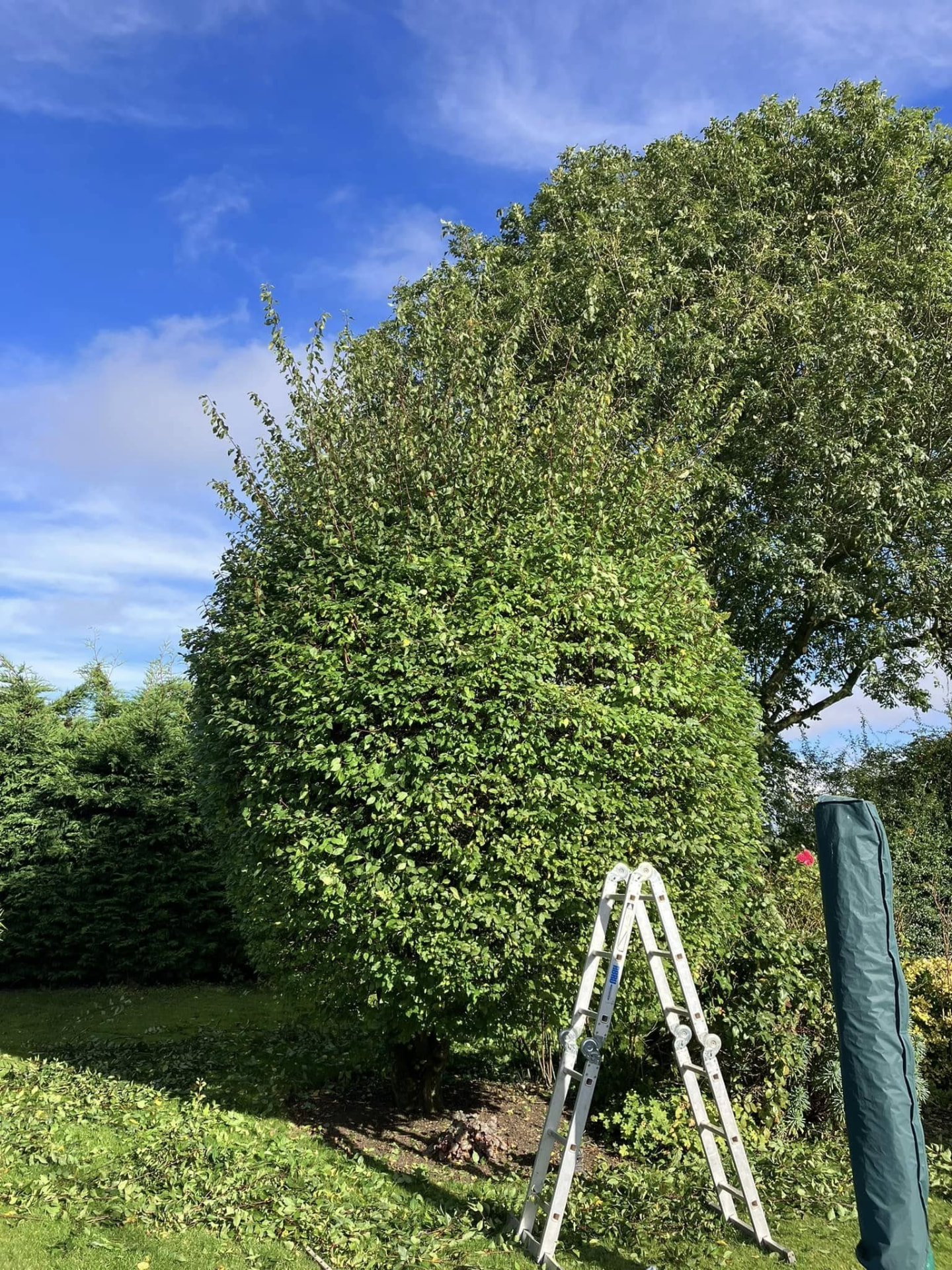
Real Tree Reductions Results
Drag the slider to compare. Real Roberts Roots jobs.
Service Overview
What Tree Reductions Involves
What is tree reductions?
A tree reduction (or crown reduction) lowers the overall height and spread of a tree by cutting branches back to suitable growth points. Done properly, the tree keeps its natural shape; it just becomes smaller, lighter and better suited to its space. It's very different from 'topping', which leaves ugly stumps and weak regrowth.
Who it's for
Homeowners with a tree that has grown too big for the garden, anyone whose house or garden is losing light, neighbours dealing with overhang, and schools, landlords and businesses who want to keep established trees while managing the risk they pose.
When you need it
When a tree is casting too much shade, growing into roofs, gutters or phone lines, catching too much wind, or simply getting out of proportion with the house. Reductions are often the right middle ground when you like the tree but can't live with its size.
Why use a professional
Where and how much you cut decides whether a tree recovers well or starts to decline. Cutting too hard, or in the wrong place, invites decay and a mass of weak regrowth. A qualified tree surgeon reduces the tree in a way it can cope with and that looks natural afterwards.
The Cost of Waiting
What Happens If You Leave It
An oversized tree doesn't stop growing, and the longer it's left the more has to come off in one go.
More weight, more wind
A tall, heavy crown acts like a sail in storms. Large limbs are more likely to fail, often over roofs, cars and gardens.
Lost light and damp
Heavy shade kills lawns, stunts plants and can leave parts of a house dark and damp.
Damage to buildings
Branches rubbing on roofs, gutters and walls cause wear that turns into repair bills.
Harder, costlier later
Reducing a tree regularly is simpler than trying to take off years of growth at once, which the tree may not tolerate.
Common Mistakes to Avoid
- 'Topping' a tree flat, which causes decay and dense, weakly attached regrowth
- Removing far too much of the crown in one visit
- Cutting overhanging branches on your side without thinking about the balance of the tree
- Starting work without checking for a Tree Preservation Order or conservation area
Our Process
How the Job Gets Done
- 01
Assessment
Todd looks at the tree's species, health and shape, and talks through what you want to achieve.
- 02
Legal checks
TPO and conservation-area checks are carried out before any cutting. If consent is needed, he guides you through applying.
- 03
Clear quote
You get one price for your job, based on size, access and location, and the work is delivered as quoted.
- 04
Careful reduction
Branches are cut back to suitable growth points, keeping a natural, balanced shape.
- 05
Clear-up
All brash is cleared and the garden is left tidy.
The Result
What You Get
More light
Get sunlight back into your house and garden without losing the tree.
Lower risk
Less weight and wind load means large limbs are less likely to fail in a storm.
Healthier tree
Correctly placed cuts help the tree recover and stay strong for years.
Better proportions
A tree sized to suit your house and garden, not dominate them.
Happier neighbours
Deal with overhang and shade before it becomes a dispute.
Priced as quoted
No add-ons on the day; the job is done exactly as described in your quote.
In Detail
Types of Tree Reduction
Reduction isn't one-size-fits-all. The right approach depends on the species, the tree's age and health, and the problem you're solving.
Working with Roberts Roots
Todd Roberts, Founder, runs every job himself. On larger jobs he brings in a trusted team of close friends, each self-employed with their own public liability insurance. Before any cutting starts, trees are checked for Tree Preservation Orders and conservation areas.
Crown reduction
The whole outline of the crown is brought in evenly, height and spread, so the tree looks the same shape, just smaller. This is the most common reduction for garden trees that have simply got too big.
Height reduction
Focused on bringing the top of the tree down, often to reduce wind load or stop a tree towering over a house. Growth points are chosen carefully to avoid a flat-topped look.
Lateral (side) reduction
Branches on one side are shortened to clear a building, boundary or neighbour's garden, while keeping the tree balanced overall.
Species makes a difference
Some trees, such as willows and limes, respond vigorously to reductions. Others, including many mature conifers and older trees, tolerate hard cutting poorly. Todd will tell you honestly what your tree can take.
Domestic and commercial trees
In gardens, reductions are often about light and space. On school grounds, business premises and rental properties, they're also about managing risk to the public while keeping valuable mature trees.
What to Expect
Before, During and After Your Tree Reductions Job
Before the visit
When you get in touch, a short description of the job and a couple of photos go a long way. Tell Todd roughly where the tree or hedge is, how big it is, and how easy it is to get to, through a side gate, over a wall, or from the front of the property. Mention anything nearby that needs protecting, such as a greenhouse, conservatory, pond, overhead cables or a neighbour's fence. If you already know or suspect the tree is protected, say so, but either way Todd will check for a Tree Preservation Order or conservation area before any work is agreed.
On the day
Todd arrives when he says he will, something customers mention again and again in reviews. The work area is set up first, with anything fragile protected and people and pets kept clear of where cutting is happening. The tree reductions work is then carried out exactly as described in your quote. If anything unexpected turns up once work begins, such as hidden decay, Todd will talk it through with you before going any further; nothing is added without your say-so.
After the work
Brash, clippings and timber are cleared away and the area is raked and left tidy, so you're not spending your weekend clearing up. If you'd like to keep logs from the job, just ask when you book. Todd will also give you straightforward advice on aftercare and on when the tree or hedge is likely to need attention again, so you can plan ahead rather than waiting for a problem. Want another tree looked at while he's there? Just mention it.
Tree Reductions Across Three Counties
Based in Warkton, Kettering, covering Northamptonshire, Bedfordshire and Cambridgeshire, including:
Related Services
- Pruning & Crown Thinning in Kettering & Northants →
Selective pruning that lets light and air through without spoiling the shape.
- Crown Lifting in Kettering & Northants →
Lower branches removed to clear paths, driveways, buildings and views.
- Deadwood Removal in Kettering & Northants →
Dead and dying branches cleared before they fall on people, cars or roofs.
FAQ
Tree Reductions Questions
It depends on the species and its health. As a rule, less is more; reducing too much at once stresses the tree. Todd will recommend a sensible amount when he sees it.
Get It Sorted Properly.Start With a Quote.
One clear price for your job, a TPO check before any cutting, and the work delivered exactly as quoted, by a LANTRA & NPTC qualified, fully insured tree surgeon.
07821 517836